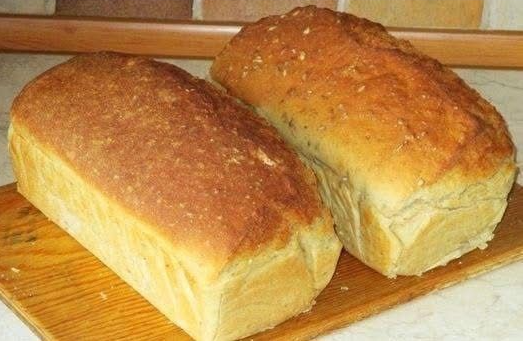
There’s something special about pulling a fresh loaf of bread from the oven. The warm smell fills the kitchen, the crust turns golden, and honestly, it feels like a little win before you even slice it. If you love homemade baking, this Warm Butter Yeast Bread is one recipe you’ll want to keep forever.
It’s soft, rich, fluffy, and full of buttery flavor. The texture is light, the crumb is tender, and the taste? Pure comfort food. This bread works for breakfast toast, sandwich slices, dinner sides, or those “I need bread right now” moments.
The best part is that this recipe uses simple pantry basics and easy steps. You do not need to be a pro baker to make it happen.
Why You’ll Love This Warm Butter Yeast Bread
This loaf checks all the boxes for home bakers:
- Soft and fluffy center
- Rich buttery taste
- Golden crust
- Great for sandwiches
- Perfect with jam or honey
- Freezer-friendly
- Beginner-friendly recipe
And let’s be real—fresh bread with melted butter on top is hard to beat.
Ingredients for Warm Butter Yeast Bread
Here’s everything you need:
- 2 ¼ teaspoons active dry yeast (1 packet)
- 1 cup warm water (105-115°F)
- ½ cup warm milk (105-115°F)
- ¼ cup granulated sugar
- 1 teaspoon salt
- ¼ cup unsalted butter, melted and slightly cooled
- 4 ½ to 5 cups all-purpose flour, divided
- Extra butter for greasing pans
- Extra flour for dusting
Ingredient Tips
Warm liquid matters. If the water or milk is too hot, it can damage the yeast. Too cool, and the yeast wakes up slowly.
Butter adds richness. That buttery flavor is what makes this bread extra cozy.
Flour amount can vary. Humidity changes things, so add the last bit slowly.
Kitchen Tools You’ll Need
You probably already have these:
- Large mixing bowl
- Measuring cups and spoons
- Wooden spoon or stand mixer
- Loaf pan
- Clean kitchen towel
- Cooling rack
How to Make Warm Butter Yeast Bread
Step 1: Activate the Yeast
In a large bowl, combine warm water, warm milk, and sugar. Stir gently.
Sprinkle the yeast on top and let it sit for 5 to 10 minutes. It should look foamy and bubbly.
If it doesn’t foam, the yeast may be old or the liquid temperature may be off.
Step 2: Add Butter and Dry Ingredients
Mix in the melted butter and salt.
Add 3 cups of flour first. Stir until a sticky dough forms.
Then slowly add more flour, about ½ cup at a time, until the dough becomes soft and manageable.
Step 3: Knead the Dough
Turn dough onto a lightly floured surface.
Knead for 8 to 10 minutes until smooth and elastic. If using a stand mixer, knead with the dough hook for about 6 minutes.
The dough should feel soft, slightly tacky, but not sticky like glue.
Step 4: First Rise
Place dough in a greased bowl. Turn once so the top gets coated.
Cover with a towel and let rise in a warm spot for 1 to 1½ hours, or until doubled in size.
Honestly, this is the hardest part—waiting.
Step 5: Shape the Dough
Punch down the dough gently.
Shape into a loaf and place in a greased loaf pan. You can also divide it into rolls if you’d rather make dinner bread.
Step 6: Second Rise
Cover again and let rise for 30 to 45 minutes, until puffy and higher than the rim of the pan.
Step 7: Bake
Bake at 375°F for 30 to 35 minutes.
The loaf should be golden brown and sound hollow when tapped.
Step 8: Brush with Butter
Right after baking, brush the top with melted butter.
This step is magic. It softens the crust and adds shine and flavor.
Cool slightly before slicing.
What Makes This Bread So Soft?
A few simple things create that bakery-style softness:
Milk in the Dough
Milk gives bread a tender texture and rich taste.
Butter Adds Moisture
Butter helps create a soft crumb and keeps the loaf from drying out fast.
Proper Kneading
Kneading builds gluten, which helps trap air and create fluffiness.
Two Rises
That second rise gives the loaf beautiful volume.
Best Ways to Serve Warm Butter Yeast Bread
This bread fits almost every meal.
Breakfast
Toast slices and add:
- Butter
- Strawberry jam
- Honey
- Peanut butter
Lunch
Use for sandwiches like:
- Turkey and cheese
- Grilled chicken
- Tuna salad
- BLT
Dinner
Serve warm beside:
- Soup
- Chili
- Pasta
- Roast chicken
Snack Time
Tear off a warm slice and eat it standing in the kitchen. No judgment here.
Bread Baking Tips for Success
Measure Flour Correctly
Spoon flour into the measuring cup, then level it off. Scooping directly can pack in too much.
Use Fresh Yeast
Expired yeast may not rise well.
Be Patient with Rising
Cold kitchens slow everything down. Place dough near a warm oven or sunny window.
Do Not Overbake
Too much oven time can dry the loaf.
How to Store Homemade Bread
Room Temperature
Wrap tightly and keep on the counter for up to 3 days.
Refrigerator
Not ideal, since it can dry bread faster.
Freezer
Slice first, then freeze in a sealed bag for up to 3 months.
Toast slices straight from frozen.
Easy Variations to Try
Want to switch it up? Here are fun ideas:
Honey Butter Bread
Replace sugar with honey.
Garlic Herb Bread
Add garlic powder and dried herbs.
Cinnamon Sweet Bread
Mix cinnamon sugar into the dough swirl-style.
Dinner Rolls
Shape into rolls instead of one loaf.
Common Mistakes to Avoid
Water Too Hot
Hot liquid can kill yeast.
Too Much Flour
Heavy dough leads to dense bread.
Skipping Kneading
Bread needs structure.
Cutting Too Soon
Fresh bread needs a few minutes to set after baking.
Yeah, slicing too early is tempting—I get it.
Why Americans Love Homemade Bread
Homemade bread feels comforting and nostalgic. It reminds people of family dinners, holidays, and slow weekends at home. In busy households, baking bread can feel calming and rewarding.
Plus, one loaf can feed a family, make sandwiches, and still leave a slice or two for late-night snacking.
That’s a pretty good deal.
Final Thoughts
This Warm Butter Yeast Bread recipe brings classic homemade comfort to your table. It’s soft, flavorful, and simple enough for everyday baking. Once you make it once, you’ll probably start finding excuses to bake it again.
And honestly? Warm bread with butter melting into every slice is one of life’s great pleasures.
So grab the flour, preheat the oven, and make your kitchen smell amazing.
FAQ Section
Why did my yeast bread not rise?
Your yeast may be expired, or the liquid may have been too hot or too cold.
Can I use instant yeast instead?
Yes. Use the same amount and mix it directly with dry ingredients.
How do I make the crust softer?
Brush the hot loaf with melted butter right after baking.
Can I freeze this bread?
Yes. Wrap tightly and freeze for up to 3 months.
Can I make rolls instead of a loaf?
Absolutely. Shape the dough into rolls and bake until golden.
How do I know when bread is done baking?
The top should be golden brown, and the loaf should sound hollow when tapped